The Taj Mahal
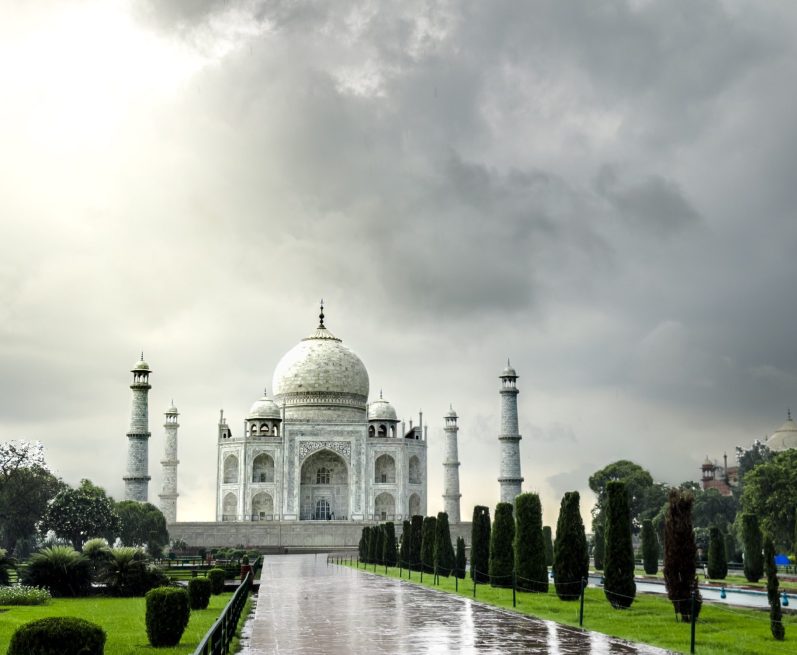
Among the red-clay and sandstone buildings characteristic of Mughal architecture looms a shining white monument to love and loss: the grand Taj Mahal. This world wonder is not a monument to triumphant victory or a testament to the power of long-passed kings, but the final resting place of a man’s true love.
Shah Jahan, the Mughal ruler from 1628 to 1658, reigned during one of the most prosperous times in his empire’s history. He defeated his brothers to secure his ascendancy, crowning himself emperor of a vast subcontinental empire spanning from the Indus River in modern-day Pakistan to the highlands of Bangladesh. A man of war, fierce in battle and yet a man of great love. Of all the grand Mughal architecture, forts, towers, and great stone behemoths that proclaimed the power of the mighty Shah, his greatest achievement was the mausoleum to his late wife, Mumtaz Mahal. Though it was common for a ruler of his time to have many wives, of which he had 7, this was his most prominent and ostensibly his most beloved. Mumtaz would pass away after the difficult birth of her 14th heir to the king, leaving the Shah in great distress and heartache. He ordered the construction of the Taj Mahal as a suitable resting place. Such a large and excellent memorial would take 20,000 builders and 12 years to complete. Mumtaz was exhumed and laid to rest in her marble casket in 1643. 23 years later, Shah Jahan would join her in their elaborate and elegant resting place.
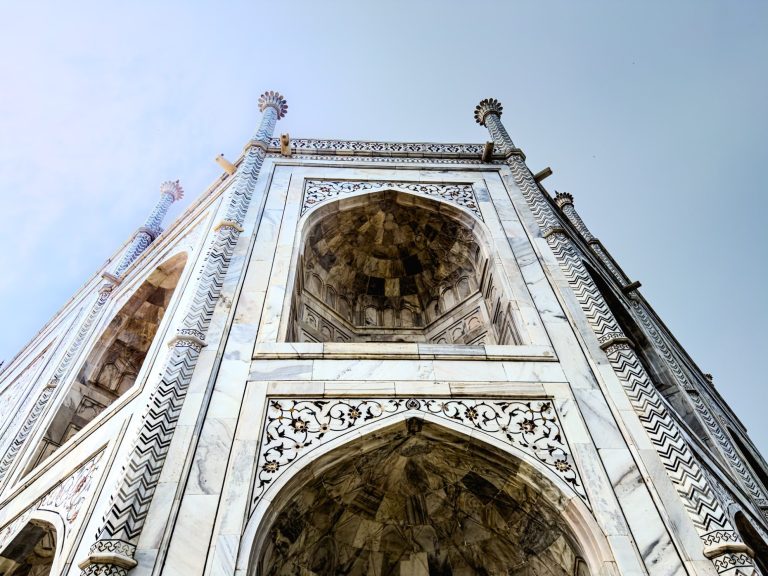
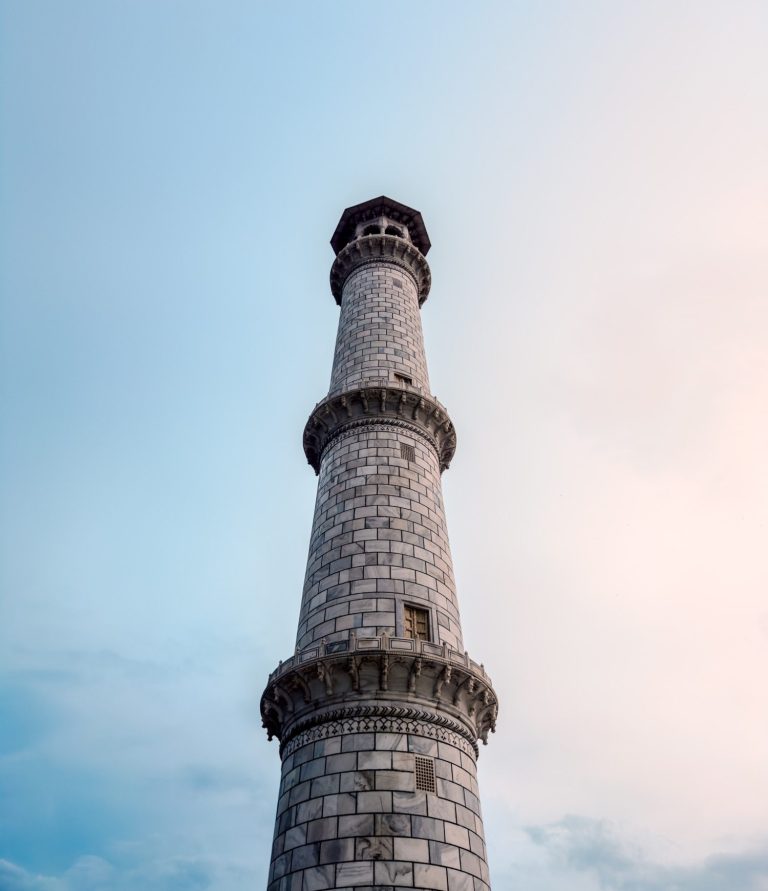
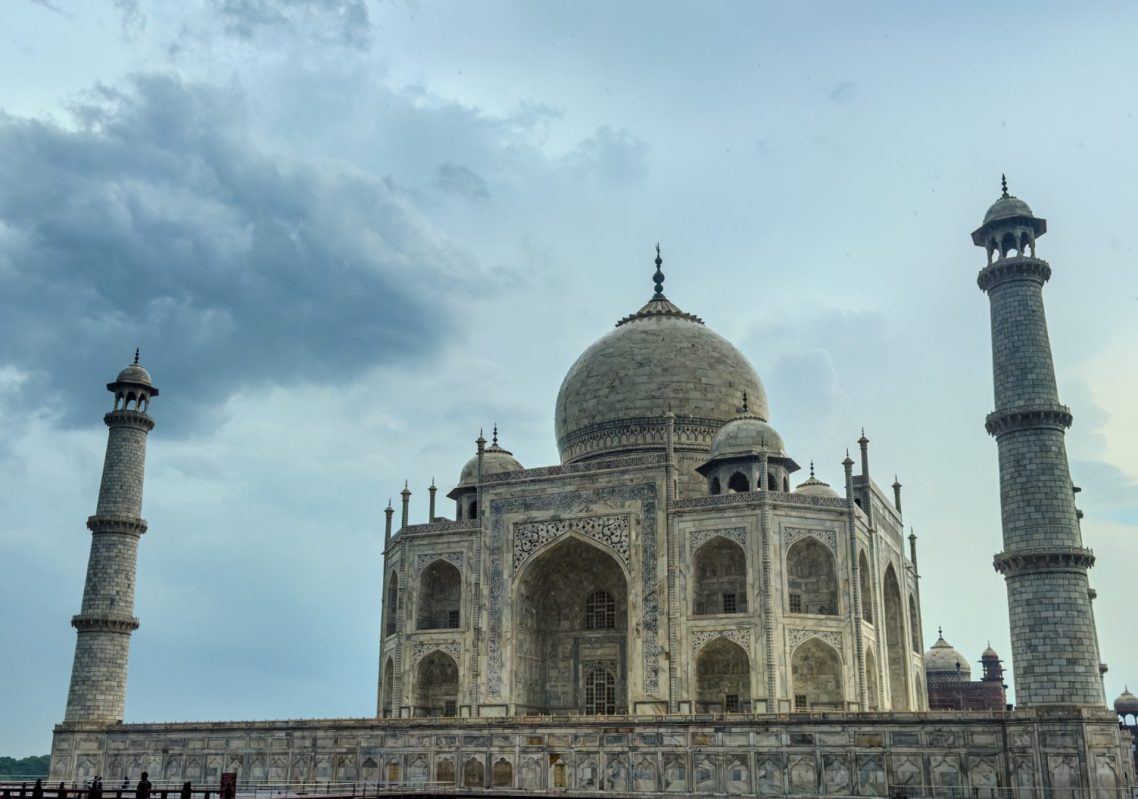
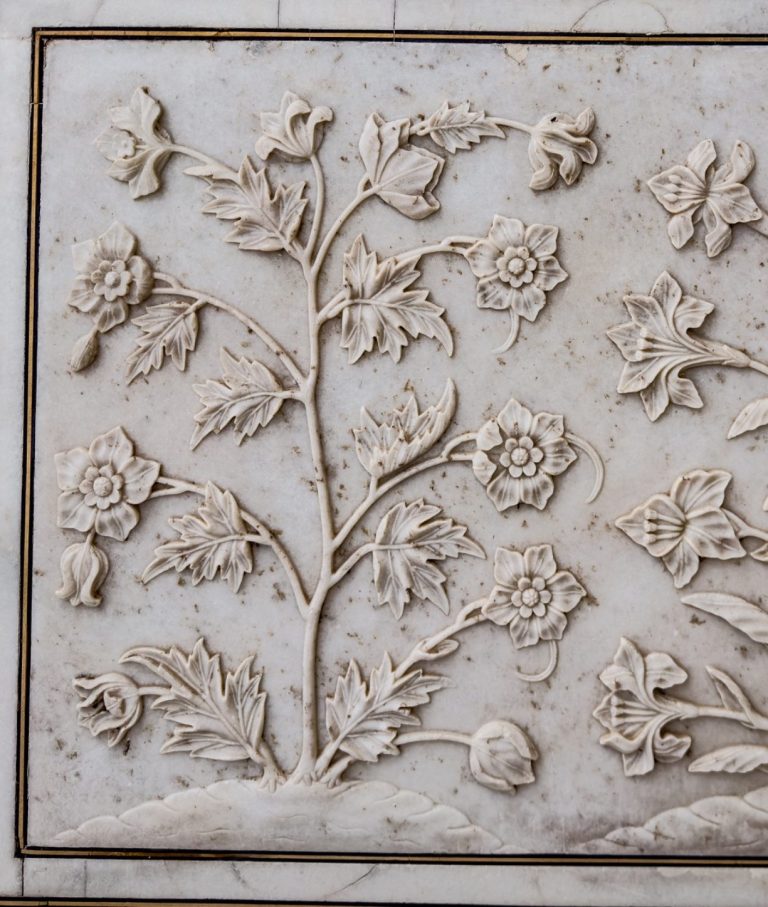
Fixing your gaze on the Taj, you may think such excellent proportions and near-perfect craftsmanship were only possible with modern tools and equipment. Such precision and attention to detail seem too difficult for modern artists, let alone artists and builders nearly 400 years ago. But the tireless work of expert architects and stone carvers reminds modern viewers that such skill and mastery could be wrought in most any age. The exterior, with its clean white minarets and gleaming marble onion domes, is eclipsed in beauty by the intricate marble lattice work that surrounds the original placement of the lovers’ tombs. It is a breathtaking, singular monument to love and loss, a true marvel with no peer. Take the flight to Delhi, hop on a train to Agra, and behold the marble beauty.
October, 2026