November, 2025
Stone and Stained Glass
Ancient History in the Foggy City
Beneath the clouds and fog of England's capital city, you'll find a sprawling metropolis, a city that has seen centuries of change and transformation. Millennia have passed, empires have risen and fallen, and still the city of London is a living memory of the old world. London began as an outpost during the Roman conquest, established in 47 AD as the Empire spread further north. Londinium, as it was known to the Romans, was a central fixture of authority in the region and would remain so even after the collapse of the Empire. London would survive the conquest of the Angles, Saxons, and Normans, and the simple form of the city would grow into the shape and skyline we recognize today.
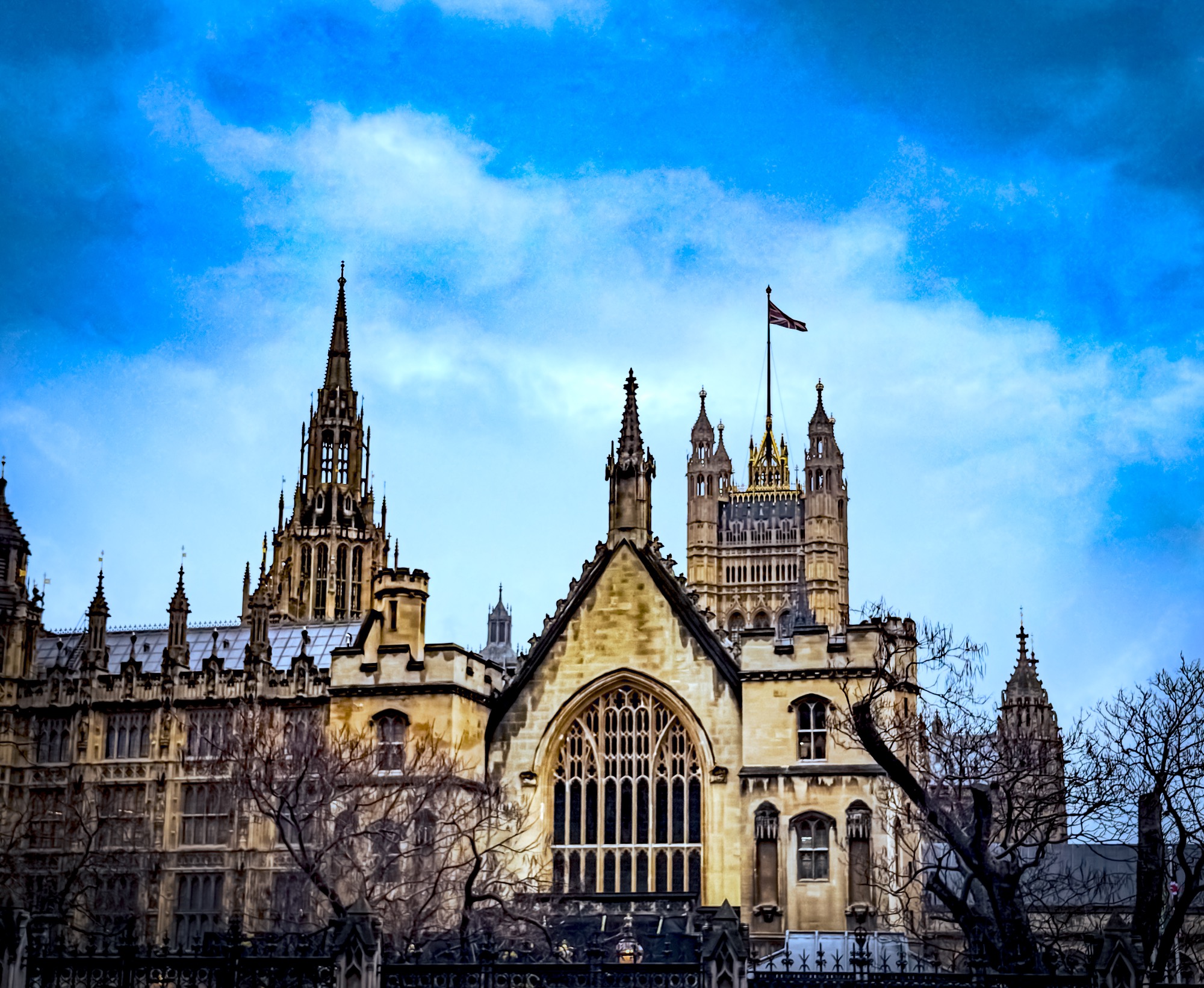
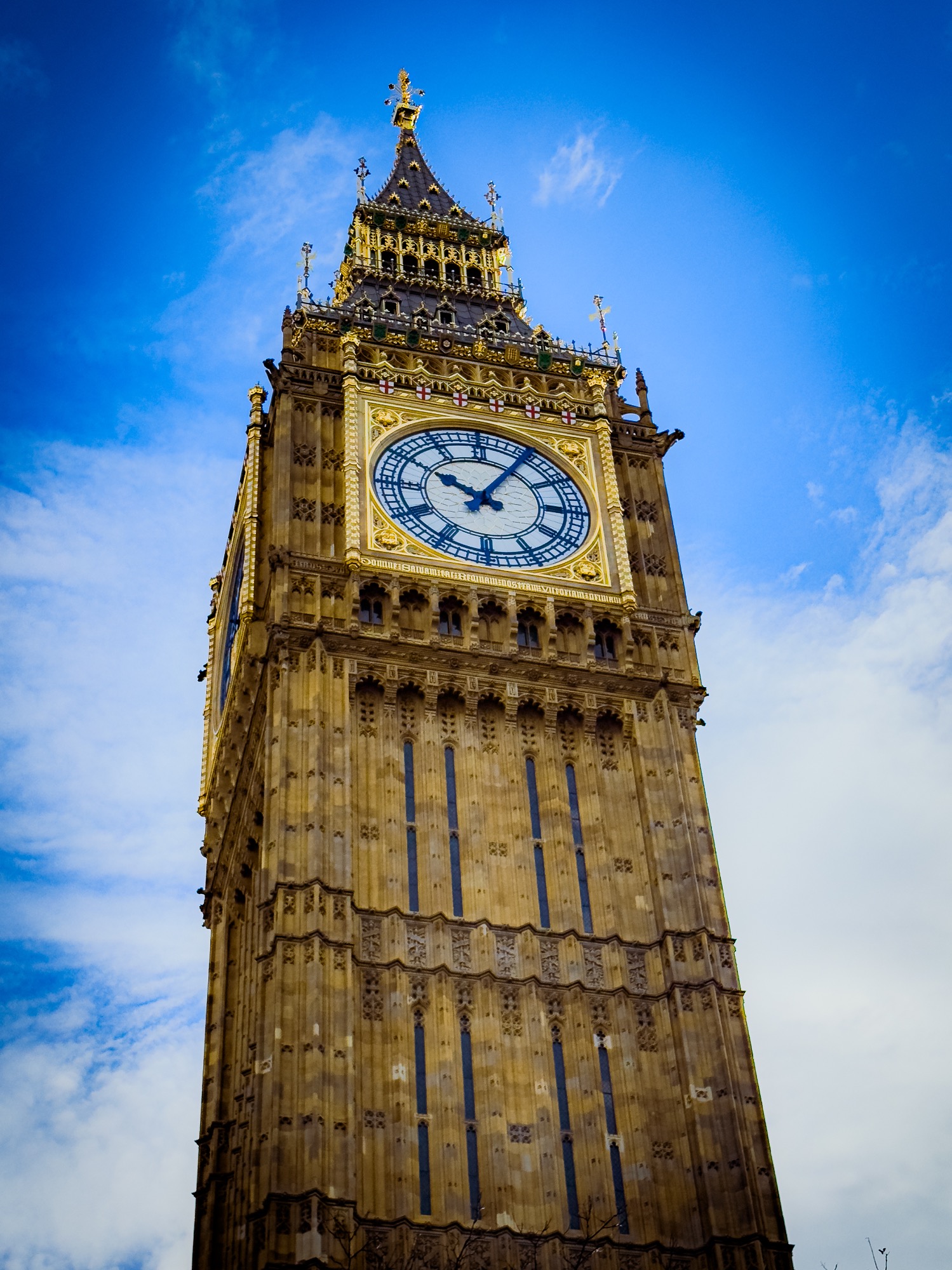
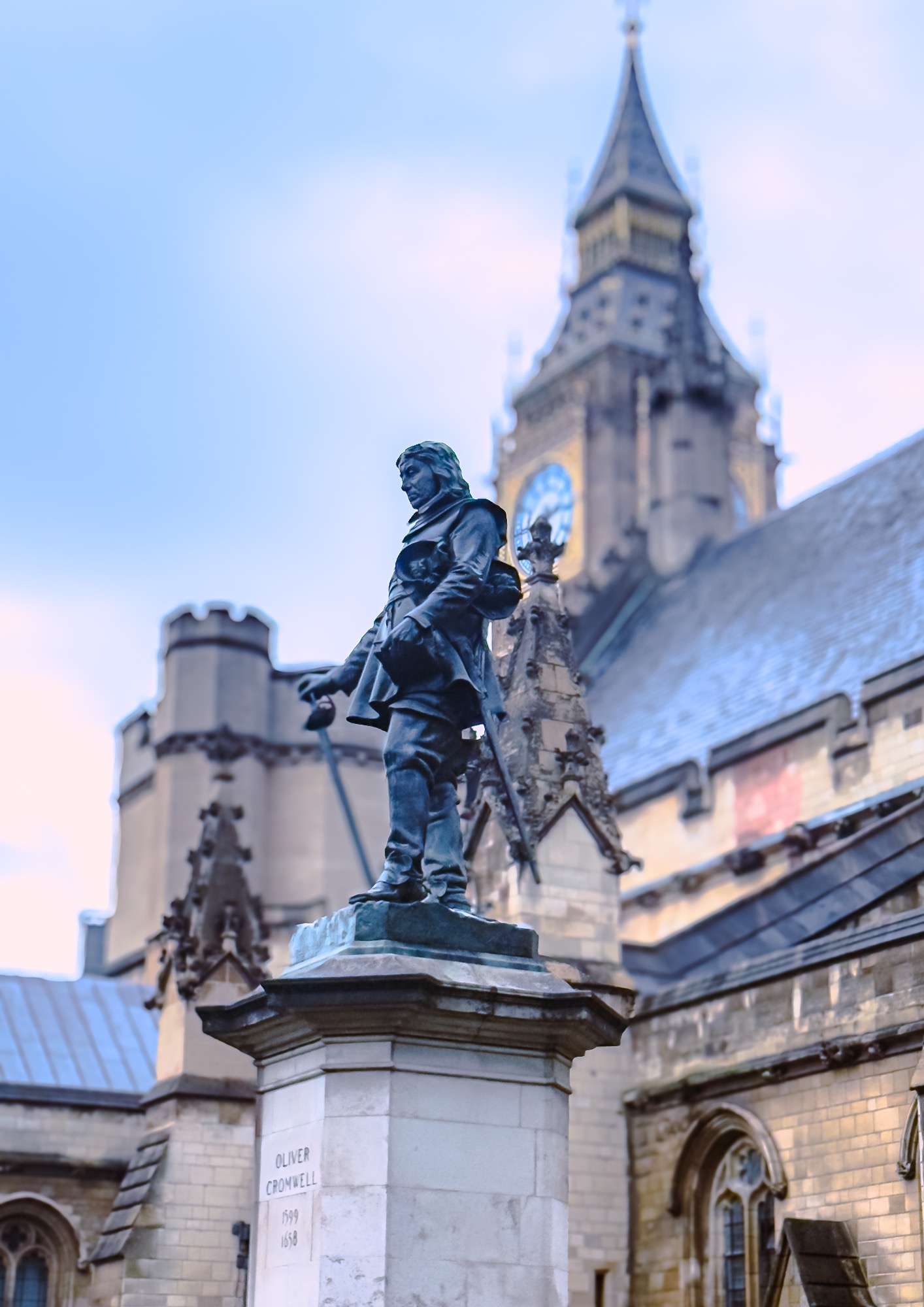
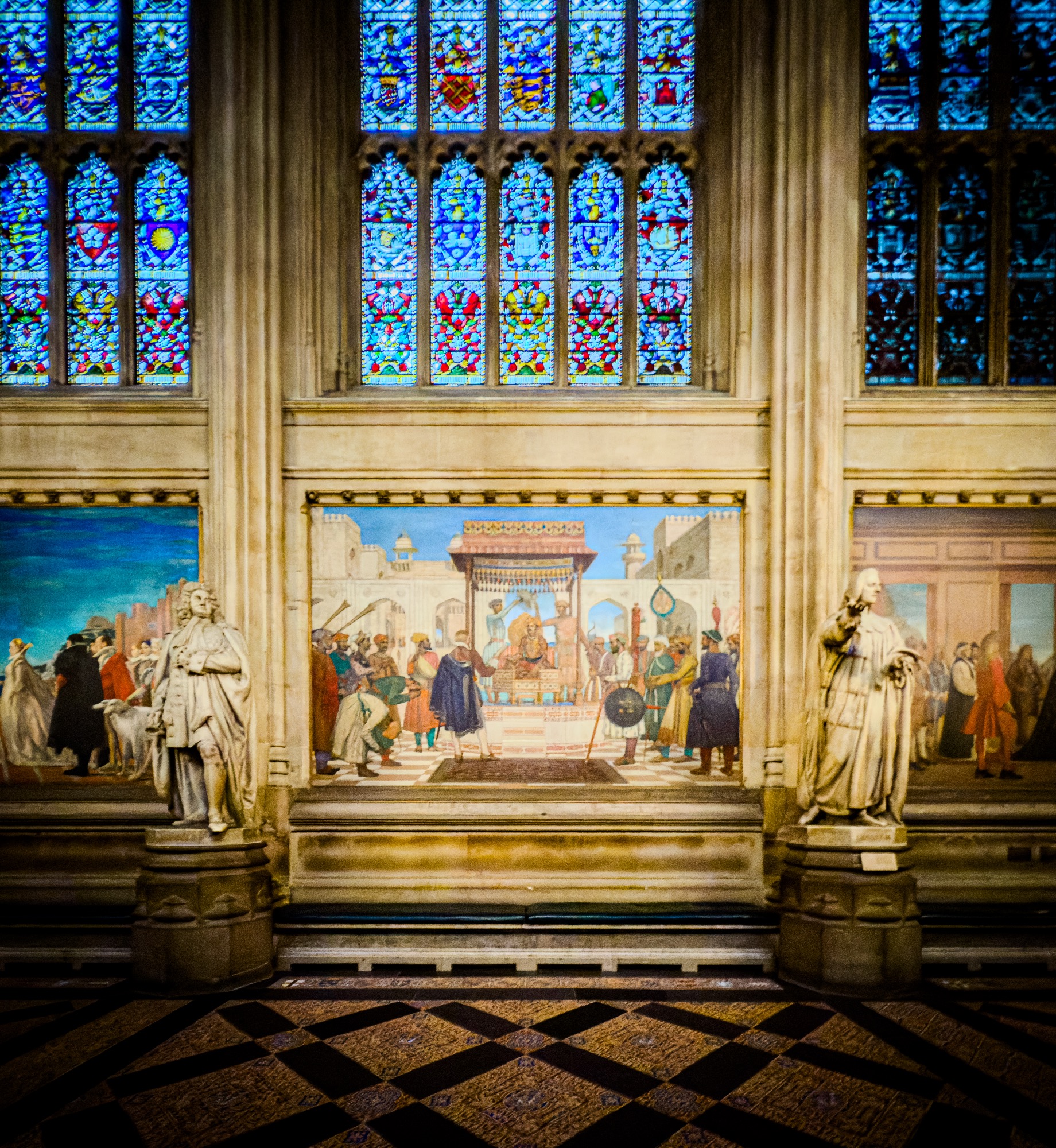
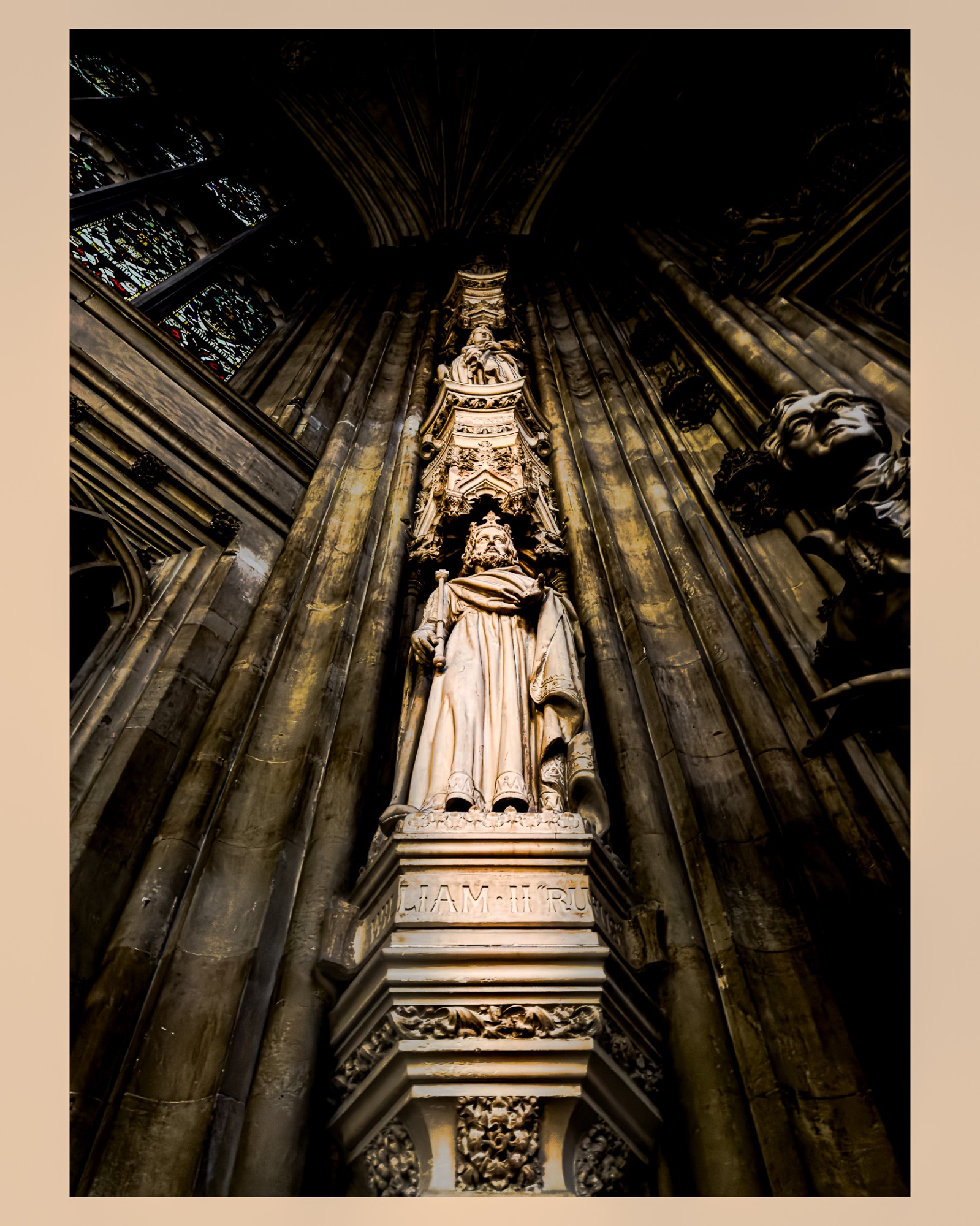
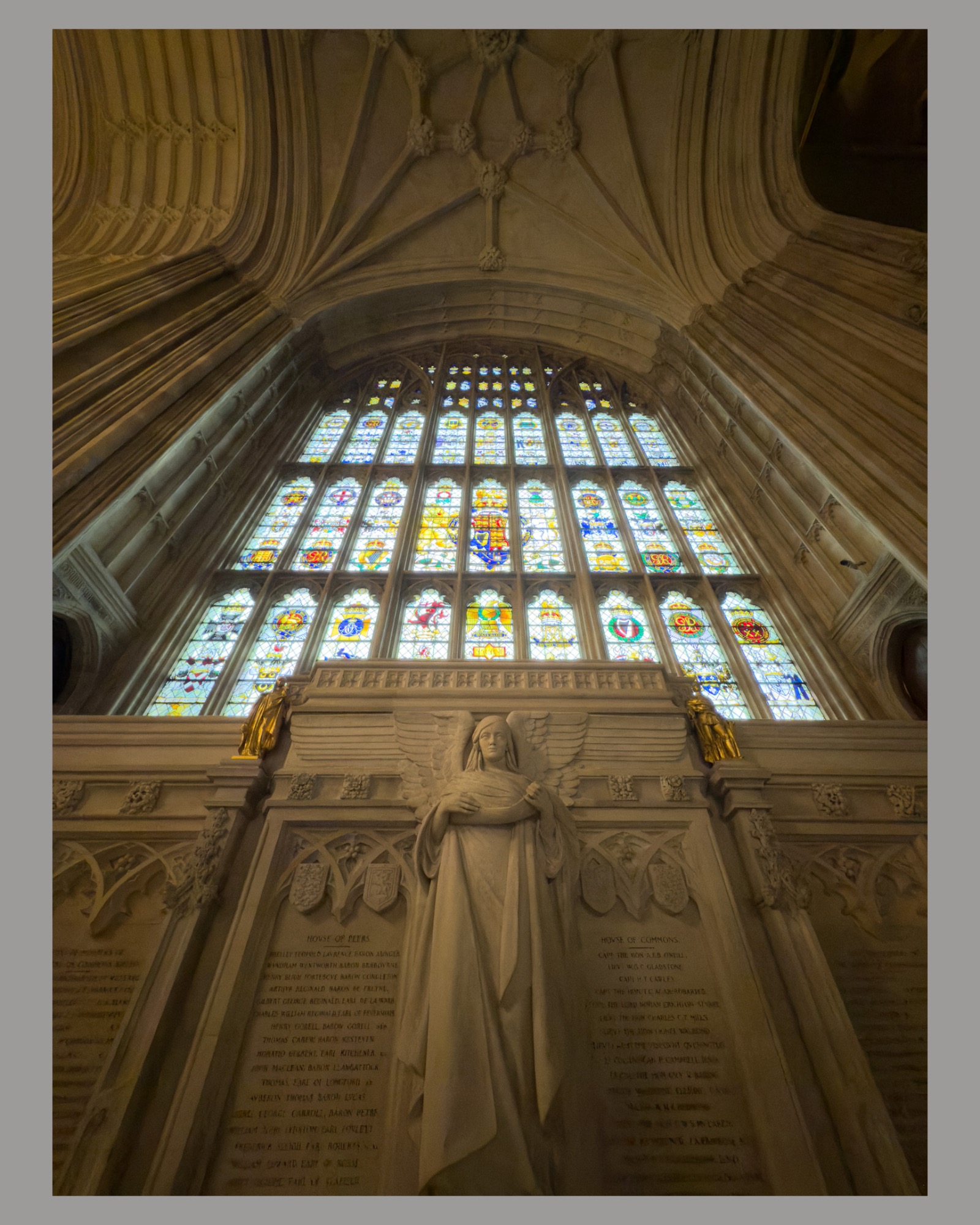
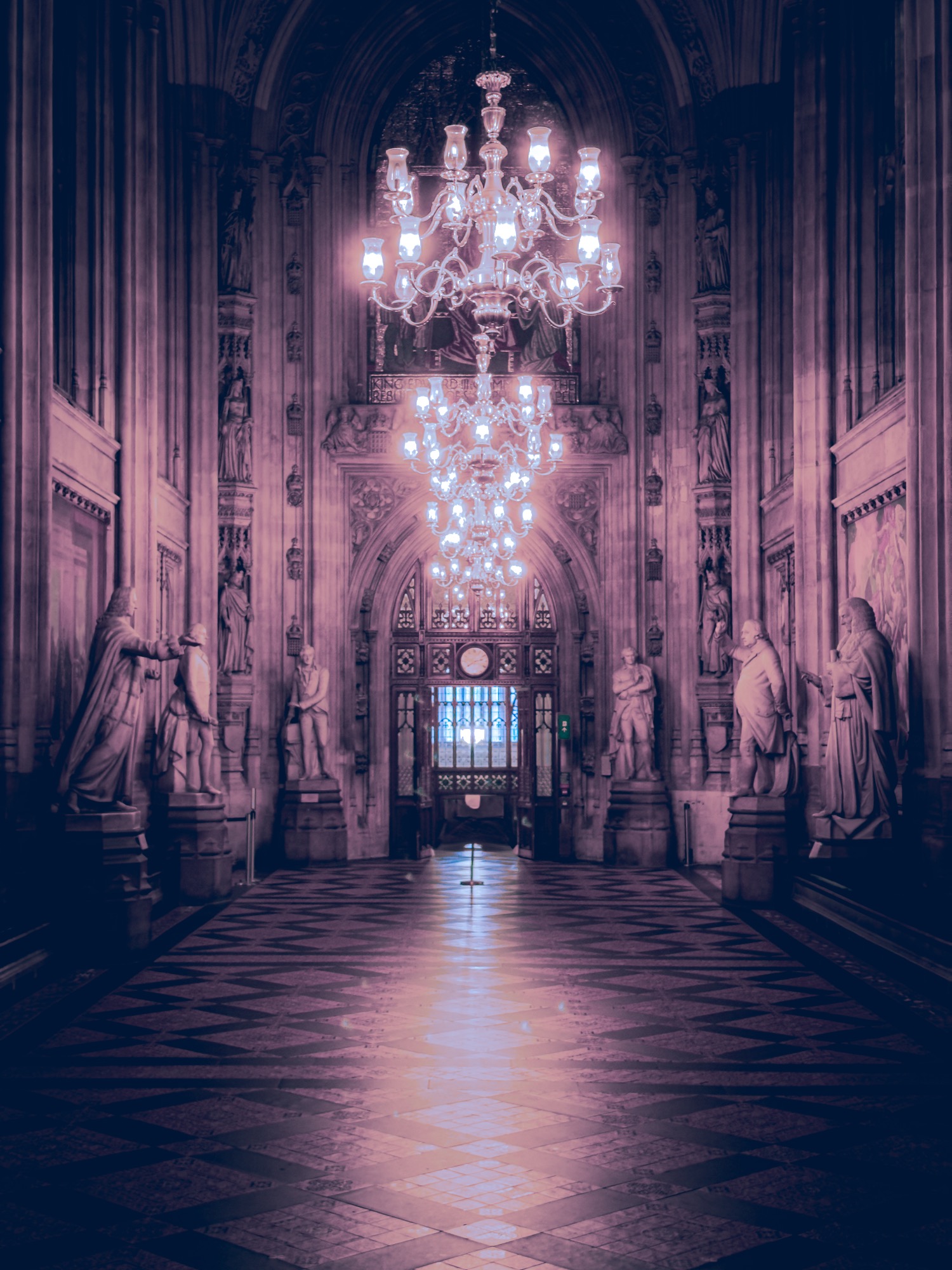
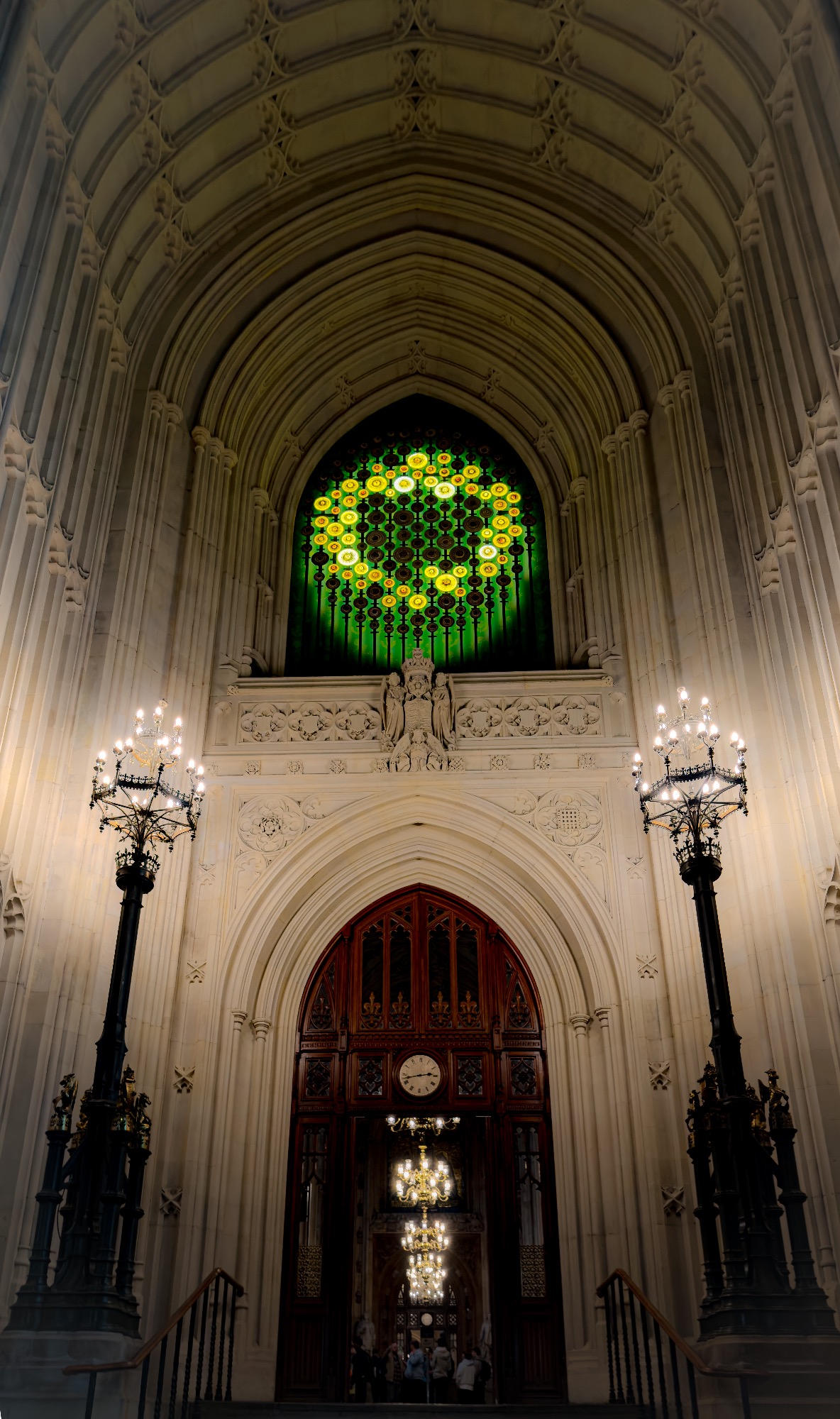
One central feature of the picture of London is Westminster Palace, where kings and queens held court and directed the course of the kingdom and the figure of the modern world. As the kingdom grew and enlarged, so did its official chambers. Starting with the construction of Westminster Hall in 1097, the palace grounds expanded to accommodate the royal apartments, chapels for worship, and spaces for the two houses of Parliament to conduct state affairs. The high vaulted ceilings, stained glass windows, immovable stone stairs, and statues of historic statesmen greet you as you visit the halls, where great feasts and history were made. Though fires and wars have damaged the buildings, destroyed the original stained glass, and bugs have sought to eat away at the old wooden roof, the Palace remains. As you walk through Westminster Hall, you get a sense that, while it now functions to shuffle visitors through to the House of Lords and House of Commons, it has seen more than it can say. The first portion of Westminster Palace looms large not just in the city but in history. You can imagine the banquets, the rows of tables and chairs, hot food, candlelight, and revelry that these old stones have witnessed. The Gothic Palace stands in stark contrast to sleek, modern London. While many skyscrapers and colossal buildings surround her, she is the seat of authority of a preeminent global power.
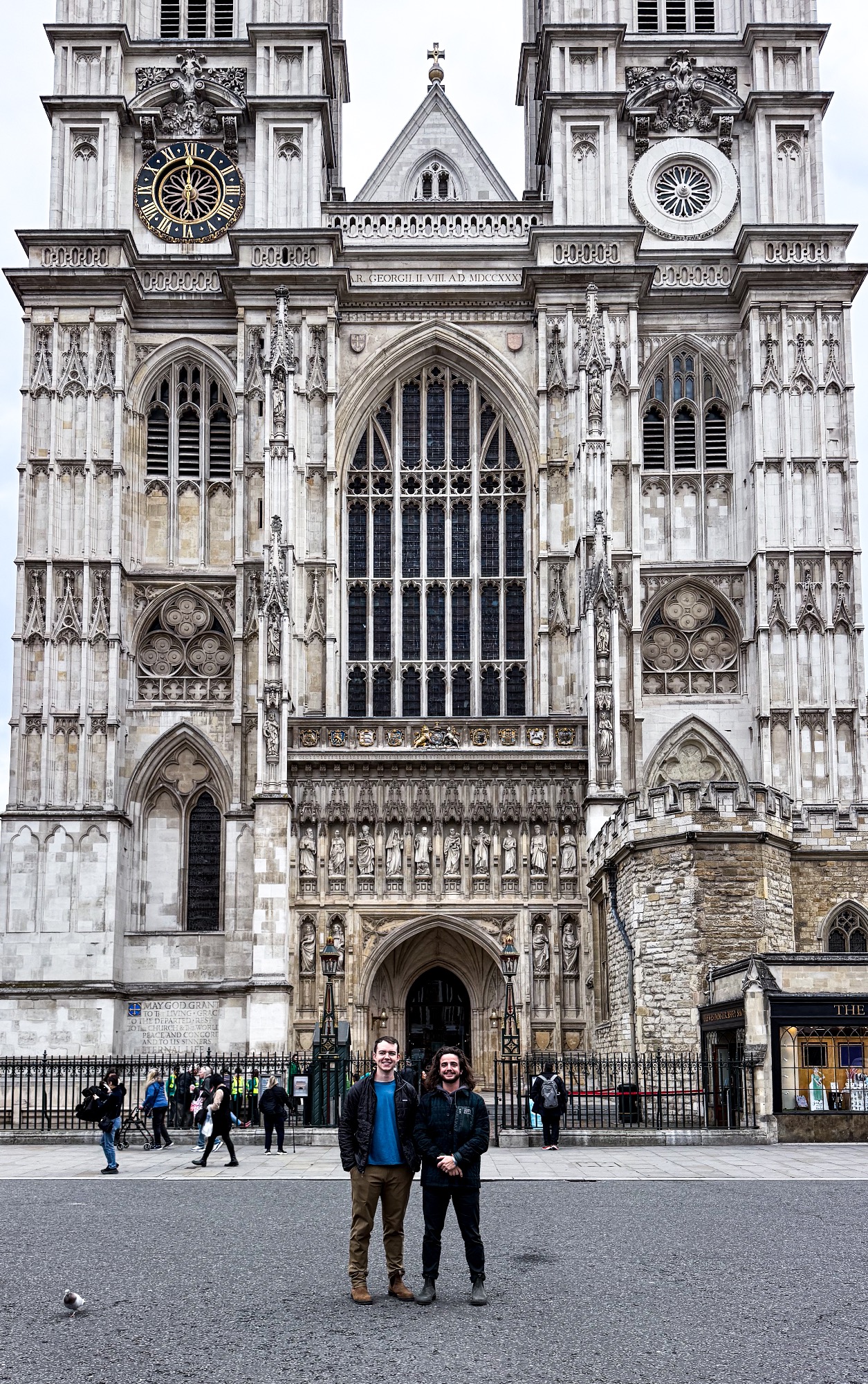
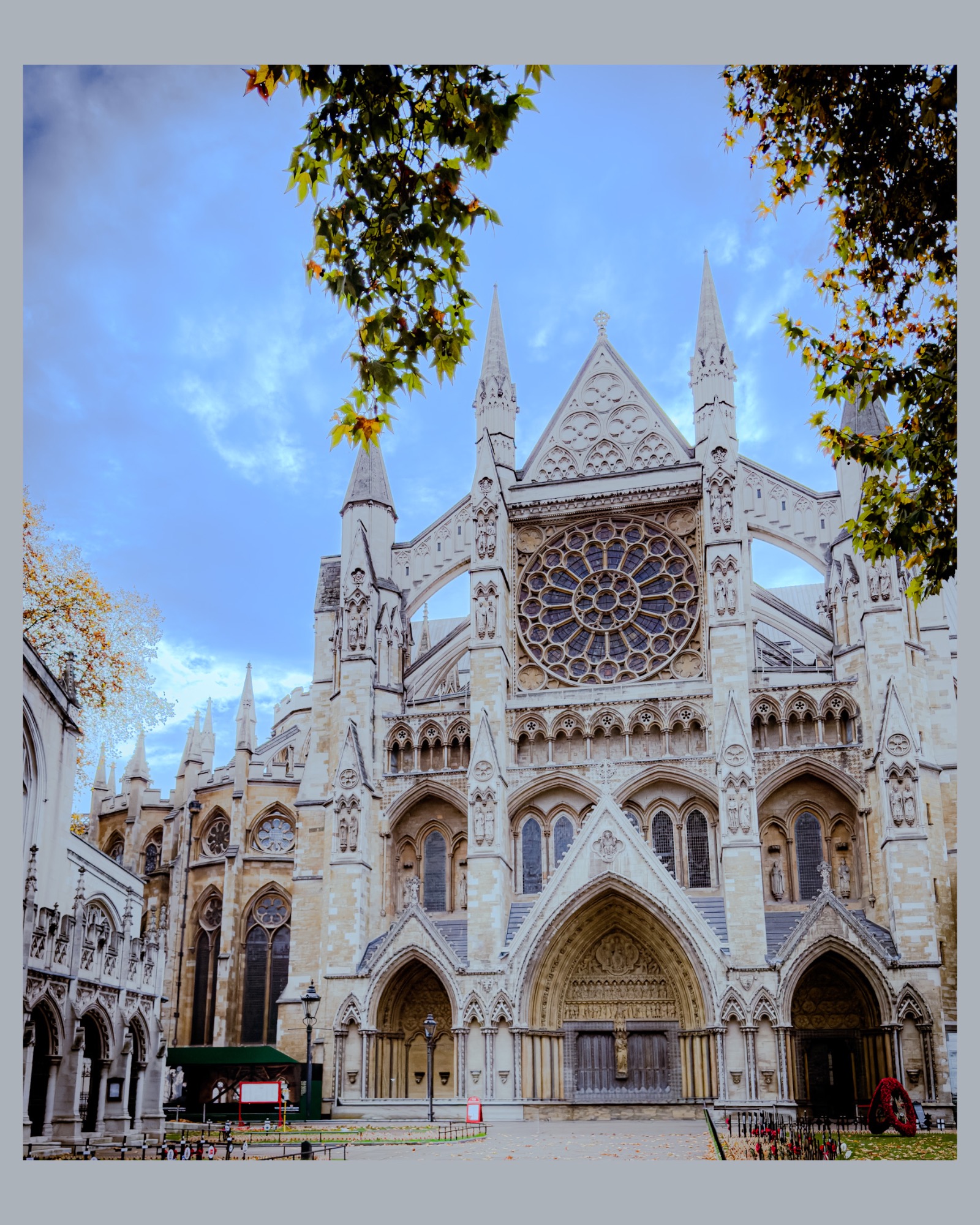
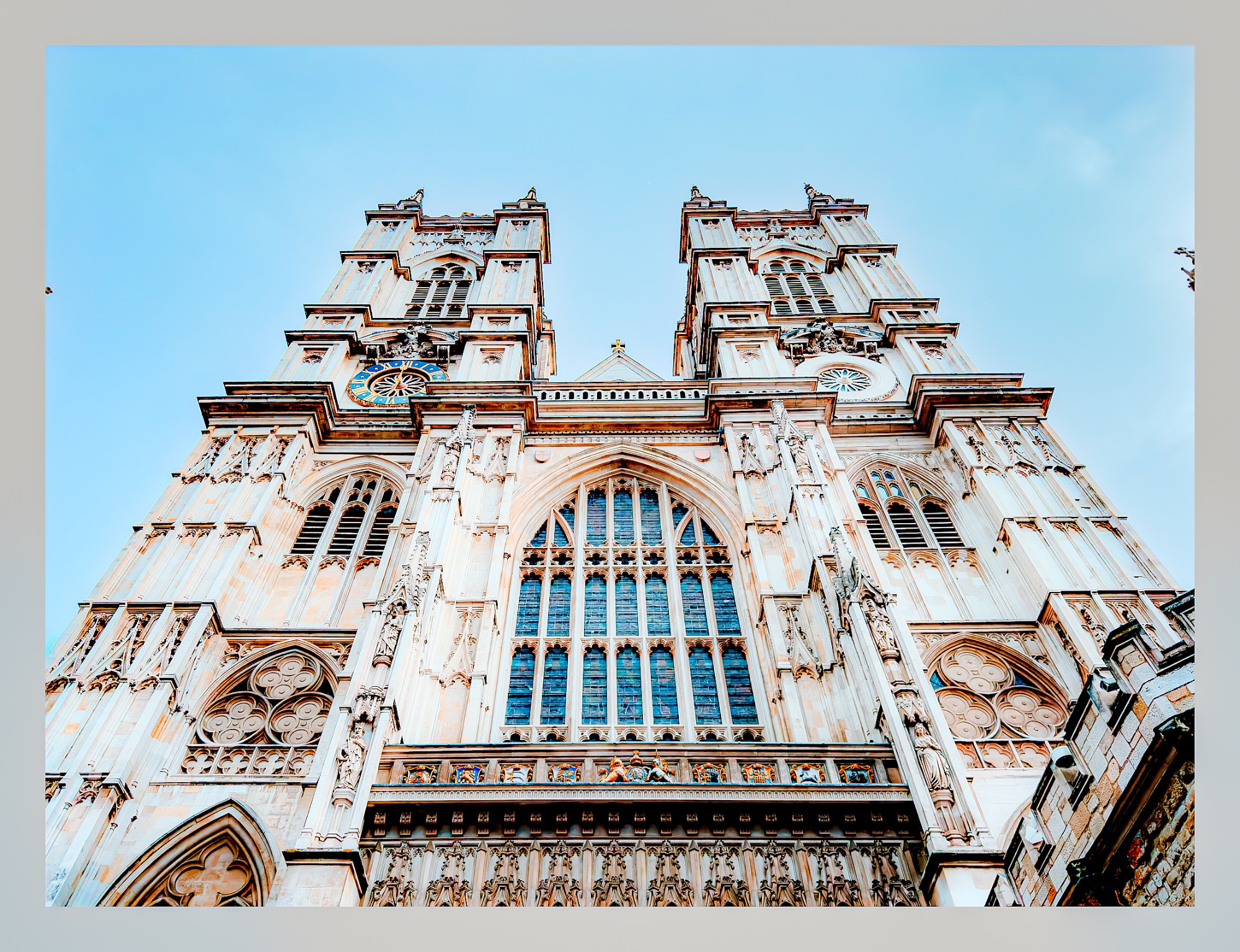
Neighboring the historic Palace is a building of unique character. The church is a sign of religious power juxtaposed with the political power across the street. Westminster Abbey is no average church. It has no parish; it is under the direct authority of the Sovereign as a "royal peculiar". The site of the abbey had been in use since the 10th century, and its earliest form was constructed under the rule of King Edward the Confessor, where his remains were entombed. King Henry III commissioned the iconic Gothic-style expansion; however, the building would remain under construction for 300 years. The elaborate stonework and towering columns reach to the heavens, where you gaze upward and see colored light filter through majestic stained-glass windows. This grand setting has witnessed the coronation of every ruler since William the Conqueror in 1066. The abbey has also accommodated many royal weddings; Since Henry I, the abbey has held 16 weddings, most recently the wedding of Prince Harry and Kate Middleton.
Surrounded by the modern buildings with their sleek metal and glass, Westminster Palace and Westminster Abbey's Gothic stones stand taller, not in stature but in political and religious significance. As you make your way through modern London, you cannot escape the history that made Londontown into what it is today. Do yourself a favor and wander around living history to take in the sights that London has to offer in Westminster. Cheers.