June 2026
Fort Jesus: Arab Edition
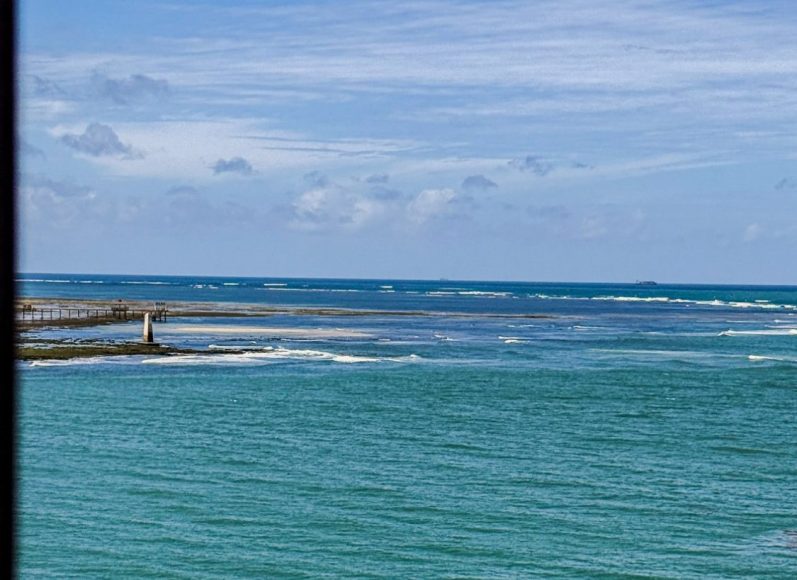
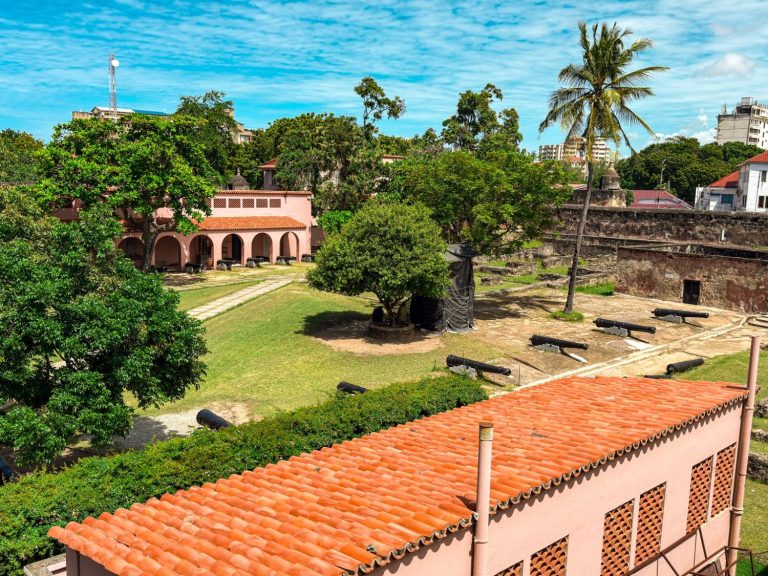
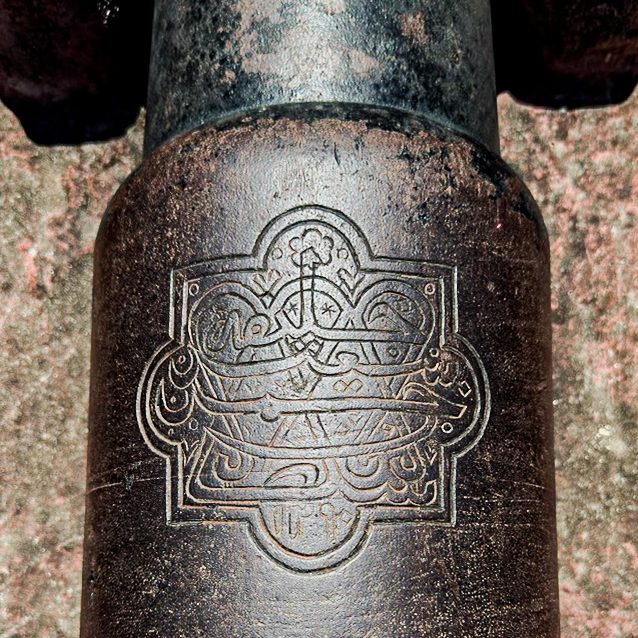
Approximately 100 years of Portuguese rule elapsed before the Portuguese would lose control of Fort Jesus. Holding the fort was no easy feat; between 1631 and 1895, the fort would be captured and recaptured 9 times. The first significant loss by the Portuguese would come at the hands of the Omani Sultanate in 1698. Tensions had been growing between Portugal and Oman over control of trade routes along the Swahili Coast. While the Portuguese had the more formidable naval fleet, the Omanis still wreaked havoc through consistent raiding. The Omanis would sack Zanzibar and Mombasa and would continue to increase pressure on the Europeans until the conflict came to a head at Fort Jesus. Saif bin Sultan would wage a 33-month-long siege on Fort Jesus, wearing the Portuguese down bit by bit. The fierce Arabian fighters were not alone, though. Through strategic alliances with the coastal locals, the Arabian fighters and coastal tribes would besiege Fort Jesus. Months would turn into years as the medium-sized garrison of Portuguese soldiers defended against the Arabs. The few cannons that faced toward the interior of the island probably got their fair share of use during this time. But entrenched as they were, the Portuguese could not withstand the forces at their walls. The stalemate would end with only 11 Portuguese members remaining to defend the final breach.
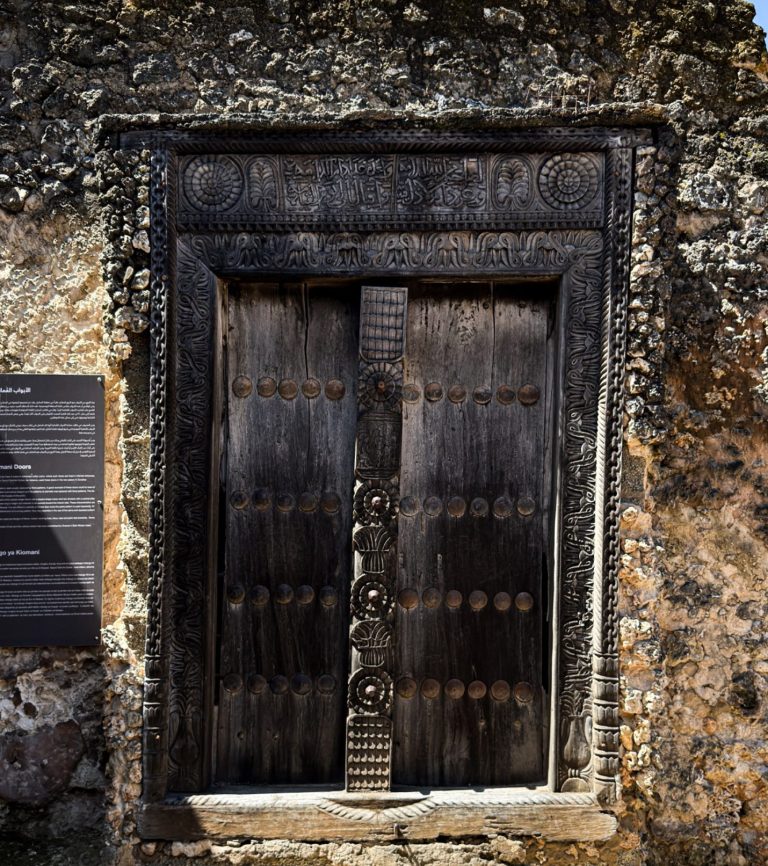
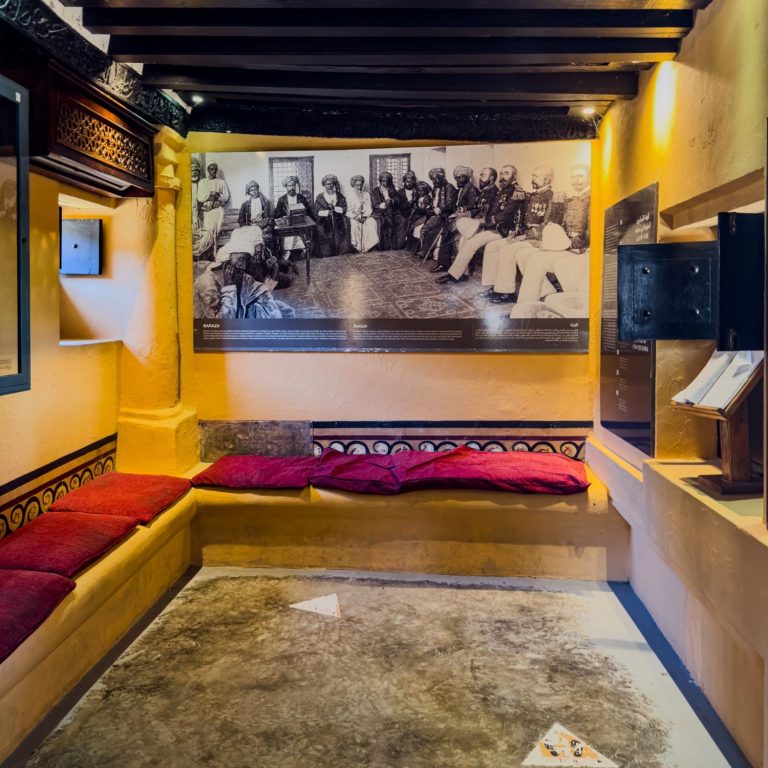
After the Fall of Fort Jesus, the sultanate of Oman would consolidate power on the East African coast. The difference between Portuguese and Omani control is distinct; the locals desired aid and protection from the stronger Omani force, but they were not conquered by it in the same way. The coexistence of the local Africans and Arabs was strong, and the interplay of cultures and languages is still seen today. Take, for example, the Swahili language. It is a Bantu African language heavily influenced by Arabic. Approximately 40% of the Swahili language as we know it today is loanwords from Omani Arabic. Language, culinary tastes, and architectural styles were exchanged between the two. This can be seen in the brighter, more colorful traditional Omani clothing and in the Arabic architectural style found on the East African coast. This great interchange is an unexpected yet fascinating aspect of both Oman and the East African coast. Just another example of the surprising and rich history one may find while traveling in this wide, wonderful world.