May, 2026
A History of Mount Athos
How they got here
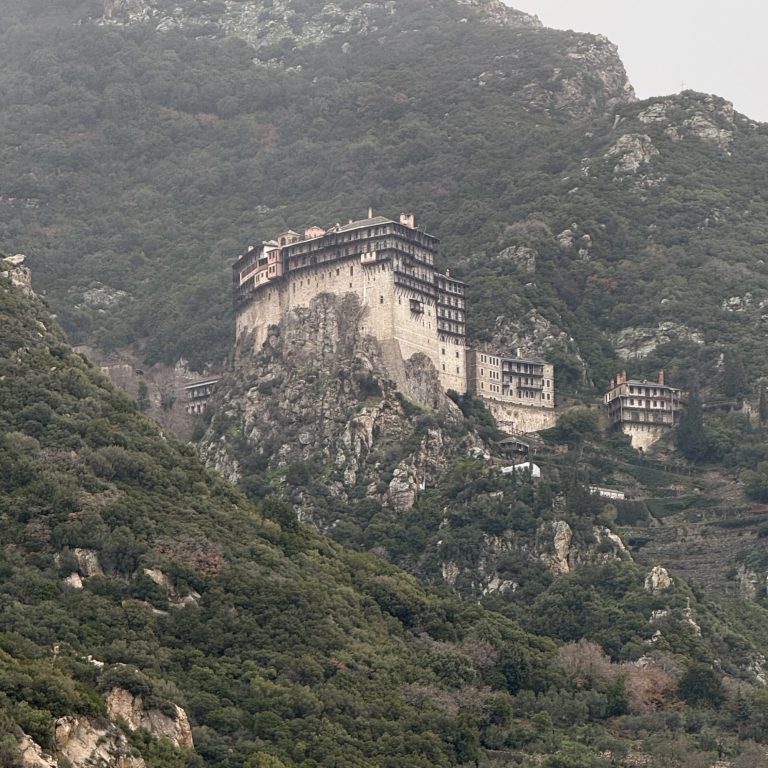
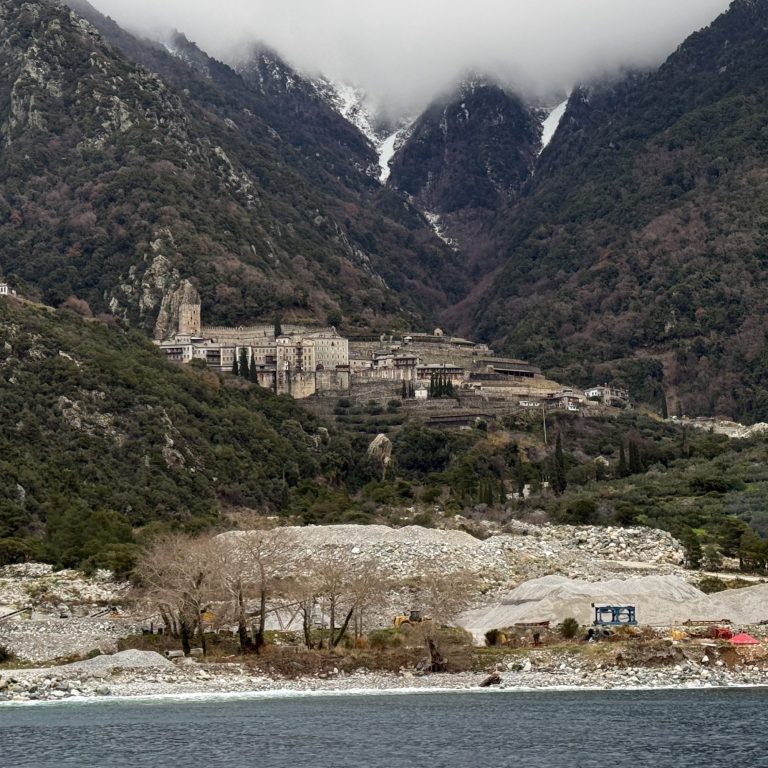
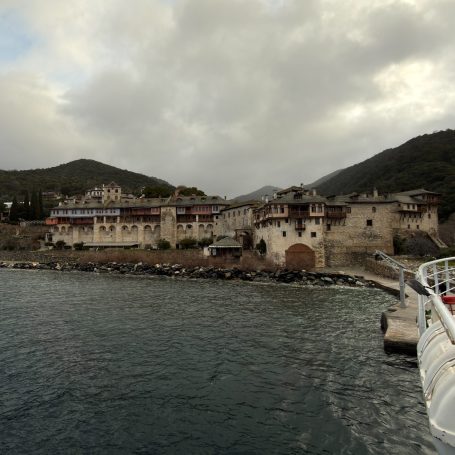
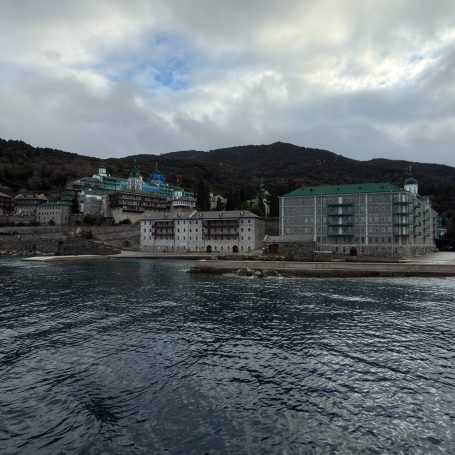
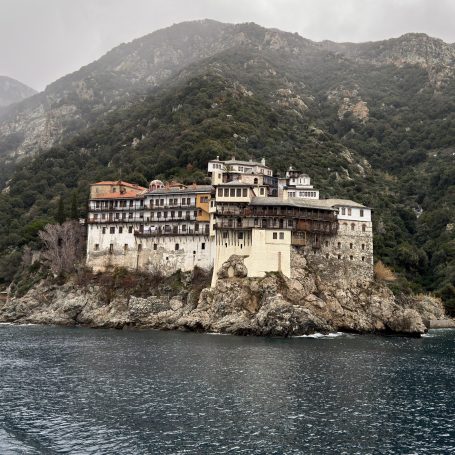
Dating back to the third century, Mount Athos is steeped in Christian tradition. Its earliest monks inhabited the peninsula during the reign of Constantine the First, and they have continuously done so until today. Its origins come earlier when Athonite tradition asserts that, upon Mary's unexpected detour to the peninsula, she asked Jesus for it to be her garden. To which Jesus granted, and it was established as the garden of the Mother of God. The peninsula has endured throughout time, outlasting the Byzantines, Ottomans, and even pressure from the Axis powers in World War II. In the centuries that have passed, the peninsula has grown to a series of 20 monasteries and 12 sketes, housing around 2000 monks at any given time. During our visit, we were fortunate to be able to stay at the Agiou Pavlou Monastery. This monastery is named after Saint Paul, though it is not the same Saint Paul you are thinking about. Though we were only able to stay one night, it was plenty enough to become immersed in monastic life. Their life is centered around liturgies, where we were able to attend a brief afternoon liturgy, then an extended four hour liturgy starting at 1:45 in the morning! The morning liturgy was followed by breakfast, which was a simple yet flavorful meal. The monks eat two meals a day in silence only broken by the reading of scripture from a fellow monk. All of the food on Mount Athos is grown or made on the peninsula. The monks we met were incredibly hospitable and a joy to be around in our brief time on the peninsula. Later in the afternoon, we took the ferry back to the city of Ouranoupoli, and as we made our way back, we passed many of the other monasteries situated on the coastline. A few of which we have featured here. For anyone interested in the mount or monastic life, we would highly recommend a visit to this unique corner of the globe!